
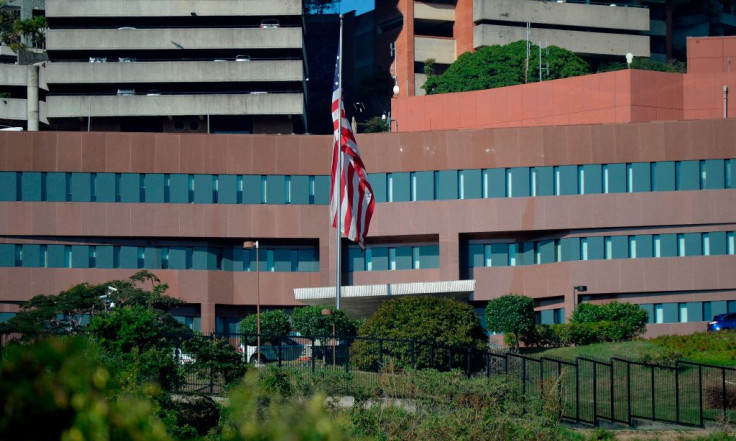
The Trump administration has ordered U.S. consulates abroad to ask temporary visa applicants whether they have suffered harm or fear returning home, a new screening policy that critics say could shut out people who might have qualified for protection in the United States less than two years ago.
Under a State Department cable reported by The Guardian, consular officers must ask applicants two questions: "Have you experienced harm or mistreatment in your country of nationality or last habitual residence?" and "Do you fear harm or mistreatment in returning to your country of nationality or permanent residence?" Applicants who answer "yes" can be denied visas.
The rule applies to nonimmigrant visas, including tourist, student, and temporary work visas. It appears designed to prevent people from entering the U.S. legally and later applying for asylum, a path that U.S. law has long allowed once a person is physically present in the country. Under federal asylum law, "any alien who is physically present in the United States or who arrives in the United States" may apply for asylum, regardless of immigration status.
The policy creates a stark choice for applicants from countries facing political repression, domestic violence, cartel threats, war, gang control, or state persecution. If they tell the truth about fear or past harm, they risk being denied a visa. If they say they do not fear return and later seek asylum in the U.S., their answer could be used against them in future immigration proceedings.


The Washington Post reported that the rule follows a federal appeals court ruling that found Trump's previous border asylum ban illegal. The court said the Immigration and Nationality Act gives people the right to seek asylum and that the president cannot override that protection by executive order.
Refugee advocates say the change effectively moves asylum screening outside U.S. borders, where applicants do not have the same procedural protections available after arrival. Jeremy Konyndyk, president of Refugees International, told The Washington Post the policy was part of a broader effort to dismantle protections for persecuted people.
The State Department has framed the move as a response to visa fraud and national security concerns.The cable links the guidance to efforts to prevent misrepresentation by applicants who seek temporary visas but may later request asylum after reaching U.S. soil.
The legal and humanitarian concern is that fear of harm is not a suspicious detail by itself. It is the core of refugee and asylum protection. U.S. regulations say an asylum applicant may qualify as a refugee because of past persecution or a well-founded fear of future persecution.
International refugee law also bars governments from returning people to places where they may face persecution, torture, or serious harm, a principle known as "non-refoulement." UNHCR describes it as a central safeguard of the 1951 Refugee Convention.
For people fleeing danger, the new consular questions could become a trap door. The applicant most likely to need protection may now be the applicant most likely to be denied permission to travel.
© 2025 Latin Times. All rights reserved. Do not reproduce without permission.


