
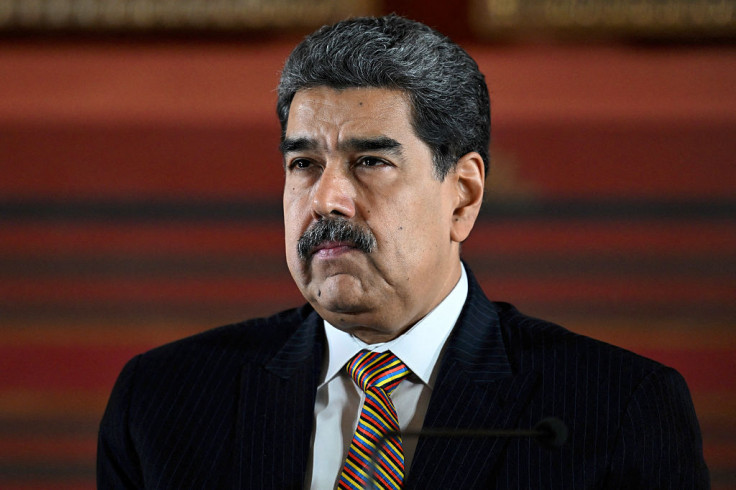
Nicolás Maduro appeared in federal court in Manhattan on Thursday as new details emerged about his detention under strict isolation measures in a high-security unit in Brooklyn nearly three months after U.S. forces brought him to the United States to face drug trafficking charges.
According to CBS News, the former Venezuelan leader is being held under "special administrative measures" at the Metropolitan Detention Center, a designation reserved for inmates whose communications are deemed a potential risk.
Law enforcement sources described the unit as a "jail inside of a jail," where Maduro remains largely isolated, under 24-hour surveillance, and allowed out of his cell only for limited activities such as legal visits, showers or one hour of solo recreation.
Officials added that Maduro is escorted by multiple officers whenever he moves within the facility, and all access to the unit requires authorization. His wife, Cilia Flores, who faces related charges, is being held separately in the same detention center.
-
U.S. Brought Back $100 Million Worth Of Gold From Venezuela After Instating a Friendly President, Interior Minister Says

-
Marco Rubio Says He 'Would've Been Shocked' to Know Friend and Former Lawmaker Was Lobbying for Maduro

-
DEA Finds Maduro Helped Iran Move Funds Through Venezuela to Bypass U.S. Sanctions: Report


Maduro has pleaded not guilty to the charges against him and previously described himself as a "prisoner of war" following his January arrest, which took place as a result of a U.S. military operation in Caracas. The case is a rare instance of a former head of state being prosecuted in U.S. courts and raises unresolved legal questions about jurisdiction and the circumstances of his capture.
At Thursday's hearing, his attorney, Barry Pollack argued that U.S. sanctions are preventing Maduro from accessing Venezuelan government funds to pay for his defense. Pollack told the court that assigning public defenders would strain resources meant for defendants who cannot afford legal representation, adding that it "doesn't make sense in a case where you have someone other than the U.S. taxpayer standing ready, willing and able to fund that defense," according to the Associated Press.
Prosecutors countered that allowing access to those funds would undermine sanctions policy. Assistant U.S. Attorney Kyle Wirshba said the restrictions are tied to national security interests, arguing that permitting their use "would undermine the sanctions" imposed on Venezuelan officials.
Legal experts say the case is likely to face a prolonged pretrial phase. "We're in largely uncharted territory," attorney Renato Stabile told Al Jazeera on Thursday, pointing to the unusual nature of prosecuting a foreign leader.
© 2025 Latin Times. All rights reserved. Do not reproduce without permission.


