
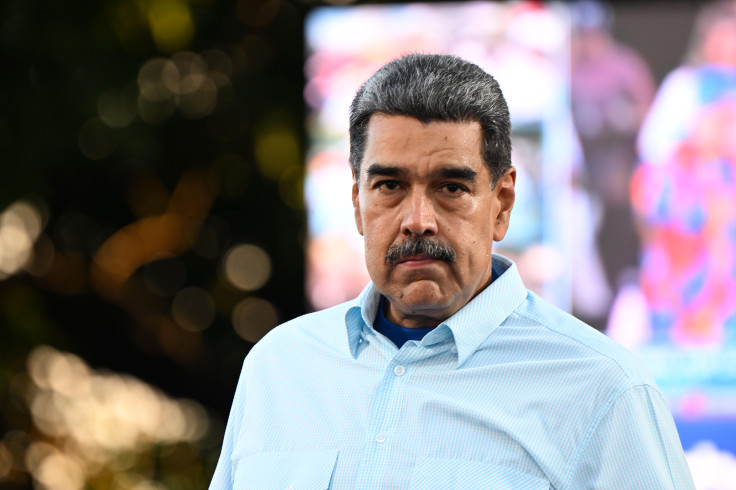
A federal judge in New York has denied a request by attorneys for Nicolás Maduro Moros and Cilia Flores de Maduro to share discovery material with other co-defendants who have not yet been arrested, handing U.S. prosecutors a procedural win in one of the most closely watched criminal cases involving Venezuela's former ruling circle.
The decision, issued Tuesday, April 7, keeps strict limits on how defense evidence can circulate as the prosecution moves deeper into the pretrial phase.
According to multiple reports citing the court's order, U.S. District Judge Alvin K. Hellerstein resolved the dispute over paragraph 13 of the protective order in favor of the government. The language, as quoted by several outlets Tuesday, states: "Disclosure material may not be shared with any named defendant who has not yet been arrested in this action or any such defendant's counsel. It is not necessary to share the disclosure material to prepare the defense."


Besides Maduro and Flores, the superseding indictment also identifies four more defendants in total: Diosdado Cabello Rondón, Ramón Rodríguez Chacín, Nicolás Ernesto Maduro Guerra, Maduro's son also known as "Nicolasito," and Héctor Rusthenford Guerrero Flores, also known as "Niño Guerrero." With Maduro and Flores already in U.S. custody, the fight over discovery centered on whether their lawyers could share evidence with the remaining named defendants, who have not yet been apprehended in the case.
That issue had been brewing for days.
Before Tuesday's order, prosecutors had argued that allowing discovery to flow to defendants still at large could create security and witness risks, while defense lawyers argued the restrictions could hamper trial preparation, especially if future witnesses or co-defendants became important to the case.

The discovery battle had emerged alongside a separate dispute over whether Maduro and Flores could use Venezuelan state funds to pay for their U.S. legal defense, which is still unresolved.
While Judge Hellerstein's ruling does not decide guilt or innocence, it sharpens the boundaries of the defense strategy moving forward. It means Maduro and Flores' lawyers can review the prosecution's evidence, but they cannot pass that material to the four still-unarrested co-defendants, who are free and some in government in Venezuela, or to those co-defendants' attorneys. The judge also adopted the prosecution's central argument that sharing the material was not necessary at this stage for Maduro and Flores to prepare their own defense.

Maduro pleaded not guilty in January to charges that include narco-terrorism conspiracy, cocaine importation conspiracy, and weapons-related offenses. Flores pleaded not guilty to the charges she faces, which include cocaine importation and weapons counts, but not the narco-terrorism count that applies to Maduro.
The case has also drawn intense attention because of the extraordinary circumstances surrounding Maduro's capture and transfer to the United States. Reuters reported in January and again in March that Maduro and Flores were brought to New York after being captured in Caracas, and that both have challenged the legality of their seizure as part of a broader attempt to undercut the prosecution. At the same time, Judge Hellerstein signaled last month that he was not prepared to dismiss the case, even as he raised questions about defense funding and the defendants' ability to retain counsel of choice.
© 2025 Latin Times. All rights reserved. Do not reproduce without permission.


