
The case involving Sinaloa Gov. Rubén Rocha Moya and nine other current and former state officials accused of links to the Sinaloa Cartel has further strained diplomatic relations between the United States and Mexico.
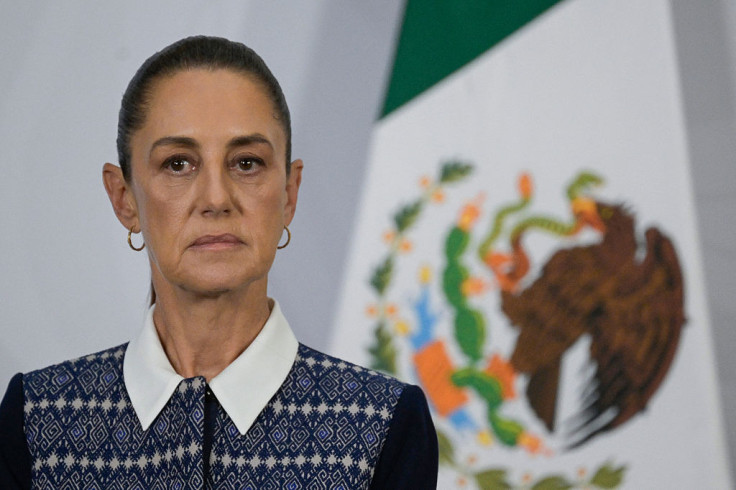
While Mexican President Claudia Sheinbaum has repeatedly argued the accusations cannot be treated as credible without the necessary evidence from U.S. authorities, she has also opposed extraditing the officials, insisting that if evidence exists linking them to organized crime, they should be prosecuted in Mexico.
As investigations into the case continue, Secretary of Foreign Affairs Roberto Velasco Álvarez appeared alongside Sheinbaum during her May 19 news conference and presented data on the extradition process between Mexico and the United States. According to the figures presented, Mexico submitted 269 extradition requests to the United States between Jan. 1, 2018, and May 13, 2026, and none have been granted.
Of those 269 requests, 36 were rejected while 233 remain pending, according to Infobae México.
Velasco said 183 of the pending cases involve formal extradition requests, while the remaining 50 are provisional detention requests tied to extradition proceedings.
"¿Qué pide siempre México? Por lo menos nosotros. Reciprocidad", dijo la presidenta Claudia Sheinbaum sobre los 269 requerimientos de extradición a Estados Unidos que ha solicitado México y que no se ha entregado ninguno. pic.twitter.com/cuA9Lbi1fD
— NMás (@nmas) May 19, 2026
Of those 50 provisional requests, the U.S. government asked Mexico to provide additional information in 47 cases, similar to what Sheinbaum's administration says it did in the Rocha Moya case.
"It is a common practice between both countries. It is not something unprecedented or outside the treaty, as some people have suggested," Velasco said.
Among the cases highlighted by Velasco was former Tamaulipas Gov. Francisco Javier García Cabeza de Vaca, who faces allegations of organized crime and money laundering. Mexico submitted the extradition request on Aug. 8, 2025.
Velasco also referenced the case of Víctor Manuel Álvarez, who is accused in connection with the alleged embezzlement of funds from Mexico's Interior Ministry. According to Velasco, the United States rejected the request sent in December because the accusations were not considered violent crimes.
Following Velasco's presentation, Sheinbaum said Mexico would continue pressing for those extradition requests and stressed that cooperation between both countries must be reciprocal.
"There are extremely serious cases for Mexico, tax fraud operators, former governors, people accused of organized crime, Ayotzinapa, and none of these alleged criminals have been handed over to Mexico," Sheinbaum said. "Why haven't they handed over any of them if they are important cases and there is supposed to be reciprocity?"


© 2025 Latin Times. All rights reserved. Do not reproduce without permission.


