
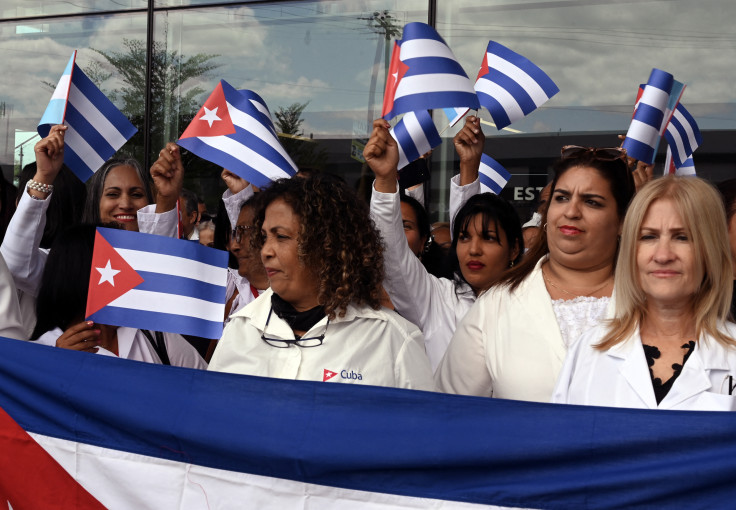
The Inter-American Commission on Human Rights (IACHR), a regional human rights body, has warned that Cuba's overseas medical missions may involve practices consistent with "modern slavery," citing allegations of forced labor, wage confiscation and restrictions on basic freedoms.
In its most recent report IACHR said it received "detailed information" pointing to labor conditions that could amount to forced labor or human trafficking. The findings include claims of "absence of fair remuneration," excessive working hours, and pressure on medical personnel to participate without access to contracts.
The report also cites "reprisals against personnel and their families" if workers fail to comply with program rules.
The IACHR warned of broader human rights concerns, including "retention of identity documents, confiscation of wages, control and surveillance of private life," and restrictions on freedom of movement. It added that medical workers who abandon missions may face severe consequences, including being barred from returning to Cuba, leading to family separation.
-
Human Rights Watchdog Confirms Political Prisoners Excluded From Cuba's 2,000-Inmate Pardon

-
Cuba's Díaz-Canel Vows Guerrilla-Style Resistance if U.S. Attacks, Warns of 'Immense Losses'

-
Sheinbaum Admin Reportedly Bought $12 Million in Cancer Drugs From Company Linked to Cuban Regime Despite Aid Claims


Cuba has denied such allegations in the past and maintains that the missions are voluntary and a form of international solidarity. Since their launch in 1963, the programs have deployed more than 600,000 health professionals to at least 165 countries, becoming a major source of state revenue.
The findings add to longstanding criticism from rights groups and U.S. officials. Human Rights Watch has previously described the working conditions in the program as "draconian" and has urged governments receiving Cuban medical personnel to demand reforms. U.S. officials, including Secretary of State Marco Rubio, have also characterized the missions as a form of human trafficking.
The issue has become a point of tension in international relations, particularly in Latin America. In Mexico, the government has defended its cooperation with Cuba, saying its agreements "ensure direct compensation for medical professionals and dignified working conditions." President Claudia Sheinbaum has argued that Cuban doctors are essential in underserved areas, noting that "it's hard to get Mexican doctors... to go out to many rural areas."
Republican Rep. Mario Díaz-Balart, accused Sheinbaum of being "complicit in human trafficking" for keeping the program receiving Cuban doctors in the country, adding that governments supporting the missions could face consequences under U.S. law, which restricts funding tied to such programs.
The IACHR called on Cuba and host countries to reform the system, urging guarantees of voluntary participation, full payment of wages, and respect for workers' rights in line with international standards.
© 2025 Latin Times. All rights reserved. Do not reproduce without permission.


